
Which Running Belt Is Right for Me? Pace vs Carry Explained
Introduction
Choosing the right running belt can make a huge difference to how your run feels.
Some runners want something ultra-light for race day. Others need extra storage for long runs, training blocks, or endurance sessions. The key is understanding what you actually need to carry and how you like to run.
In this guide, we break down the difference between minimal race belts and storage running belts, so you can confidently choose the best running belt for your goals.
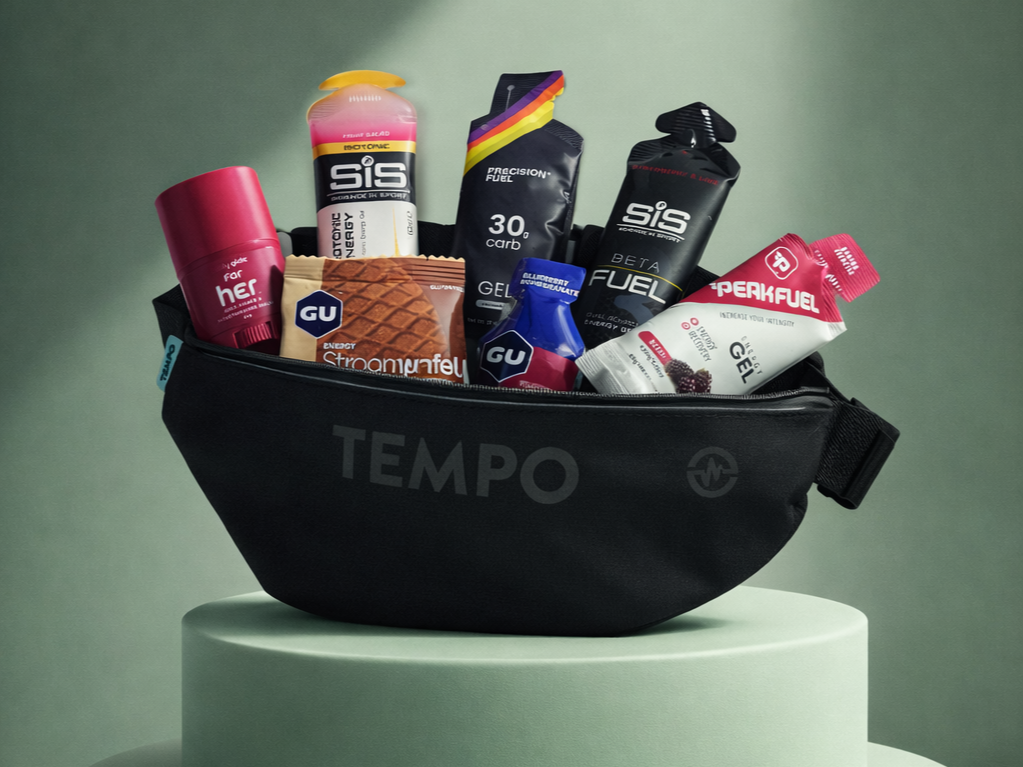
Why the Right Running Belt Matters
A running belt should support your run — not distract from it.
The wrong belt can:
Bounce
Shift during movement
Feel bulky or restrictive
Interrupt your rhythm
The right belt should:
Stay secure
Feel lightweight
Carry essentials comfortably
Disappear once you start moving
Two Types of Running Belts
Most running belts fall into one of two categories:
Race / Minimal Running Belts
Storage / Endurance Running Belts
Each serves a different purpose.
Pace Running Belt — Built for Speed
Minimal running belts are designed for runners who want as little gear as possible.
Best for:
Race days
Interval training
Short to medium runs
Runners who value speed and simplicity
What it carries:
Keys
Cards
Energy gels
Race bib
Why runners choose minimal belts:
Ultra-lightweight
Low-profile fit
Zero bulk
Reduced bounce at faster paces
A minimal belt allows you to focus entirely on pace, cadence, and performance.
Carry Running Belt — Built for Endurance
Storage running belts are designed for longer runs and training sessions where you need more gear.
Best for:
Long runs
Marathon training
Endurance sessions
Trail or unsupported runs
What it carries:
Smartphone
Nutrition and gels
Hydration supplements
Keys and cards
Why runners choose storage belts:
Increased storage capacity
Balanced weight distribution
Secure fit without bulk
Comfort over longer distances
A storage belt keeps essentials close without interrupting movement.
How to Choose the Right Running Belt
Ask yourself these questions:
How far am I running?
Short runs or races → Minimal belt
Long or endurance runs → Storage belt
What do I need to carry?
Just essentials → Minimal belt
Phone, fuel, hydration → Storage belt
What matters more?
Speed and freedom → Minimal belt
Comfort and preparation → Storage belt
One Size Fits All — Why Fit Still Matters
Both types of running belts should adjust to your body.
Look for belts that:
Are one size fits all
Use adjustable sliding clips
Can be worn on the waist or hips
Stay secure without tightening excessively
A good fit is more important than belt size.
Do You Need Both?
Many runners use both styles, depending on the session.
For example:
Minimal belt on race day
Storage belt for long runs
Switching belts based on training blocks
Having the right tool for each run improves comfort and consistency.
How TEMPO Running Belts Compare
TEMPO offers two purpose-built options:
Pace Running Belt
Ultra-light, low-profile
Designed for race day and speed sessions
Carries only what you need
Carry Running Belt
Expanded storage
Balanced weight distribution
Designed for long runs and endurance training
Both belts:
Are one size fits all
Adjust easily with sliding clips
Are tested in real movement
Stay secure without bounce
Final Thoughts
There’s no single “best” running belt — only the best belt for your run.
If your goal is speed and simplicity, choose a minimal race belt.
If your goal is endurance and preparation, choose a storage running belt.
The right belt should support your run — not remind you it’s there.
